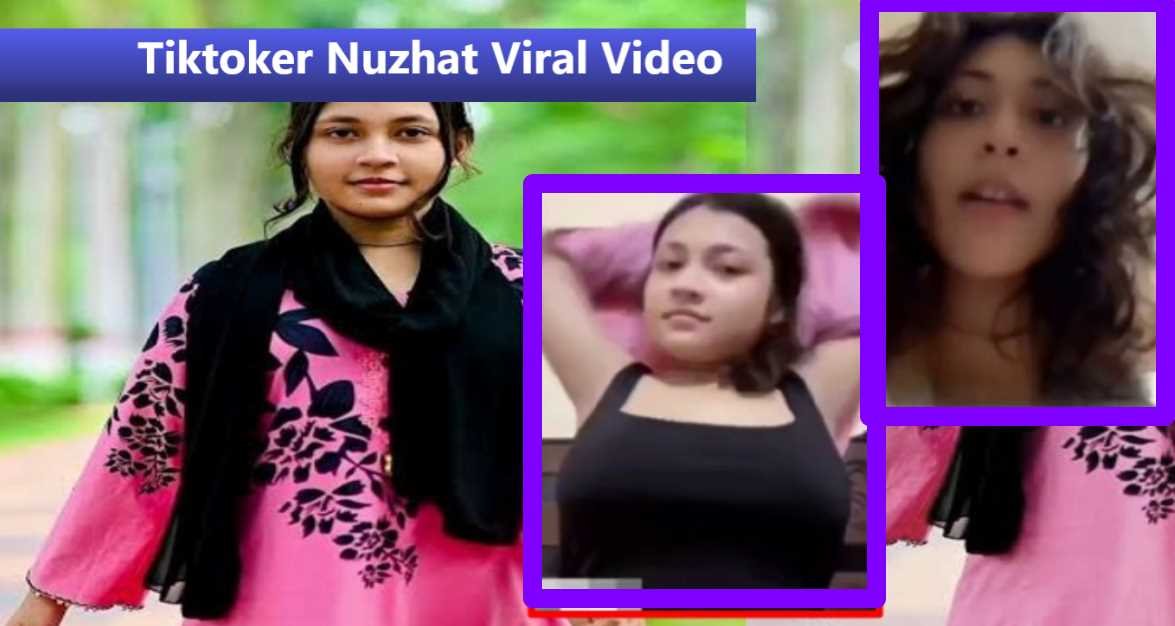
In recent days, the phrase Nuzhat viral link has seen a sharp rise in Google searches and social media discussions. Users across platforms like Facebook, TikTok, and Instagram are actively searching for information, trying to understand what the trend is about and whether the links being shared are real.
As with many viral keywords, curiosity spreads faster than verified facts. This article explains why “Nuzhat viral link” is trending, what kind of content people are encountering online, and how users can stay safe while navigating viral claims.
Why Is “Nuzhat Viral Link” Trending?
The keyword Nuzhat viral link began trending after multiple social media posts used the phrase in captions, comments, and hashtags. These posts often include statements like:
- “Link in bio”
- “Watch full video”
- “Viral clip going around”
Such language naturally increases curiosity. When users don’t find clear answers on social platforms, they turn to Google—causing the keyword Nuzhat viral link to spike in search trends.

What Are People Actually Searching For?
Most users searching Nuzhat viral link fall into three main categories:
- Curiosity seekers – People who saw the keyword trending and want context
- Verification seekers – Users checking whether the links are real or fake
- Safety-conscious users – Those wanting to avoid scams or misleading content
Importantly, no credible news outlet or verified source has confirmed the existence of any official or authentic “viral link” connected to this trend.
Are the Viral Links Real or Misleading?
In many similar cases, viral “link” trends turn out to be misleading or risky. Cybersecurity experts frequently warn that trending keywords are often used to drive traffic to:
- Fake websites
- Phishing pages asking for login details
- Telegram or WhatsApp groups filled with ads or malware
- Pages designed only to generate clicks, not information
There is no verified or official Nuzhat viral link published by a trustworthy source at this time.
How Viral Link Scams Usually Work
Understanding the pattern helps users stay safe:
- A trending name or phrase appears on social media
- Sensational captions promise “exclusive” or “full” content
- Users are directed to unknown links or private groups
- The result is ads, spam, or data-stealing attempts
The Nuzhat viral link trend follows the same digital pattern seen in many past viral keywords.
Why Google Searches Increase So Fast for Viral Keywords
Search engines react to sudden spikes in user interest. When thousands of people search the same phrase within a short time, Google starts showing more results related to that keyword.
This doesn’t mean the content is real—it simply reflects public curiosity. That’s why it’s important to rely on fact-based articles, not clickbait.
Privacy, Ethics, and Legal Considerations
Sharing or promoting unverified links—especially those involving personal claims—can cause real harm. In many countries:
- Sharing false or private content may violate digital laws
- Defamation and privacy breaches can have legal consequences
- Platforms may penalize or remove misleading content
Responsible browsing protects both users and individuals affected by rumors.
What Should Readers Do?
If you encounter posts related to Nuzhat viral link, follow these best practices:
- Avoid clicking unknown or shortened links
- Do not join random Telegram or WhatsApp groups
- Check whether reputable news sites are reporting the story
- Report misleading posts instead of sharing them
Staying cautious helps stop the spread of misinformation.
Final Verdict
The Nuzhat viral link trend is currently driven by online curiosity, speculation, and algorithm-driven sharing, not by confirmed facts. As of now, there is no verified viral video or official link connected to this keyword.
As with all viral trends, it’s best to prioritize accuracy, safety, and digital responsibility over clicks and curiosity.