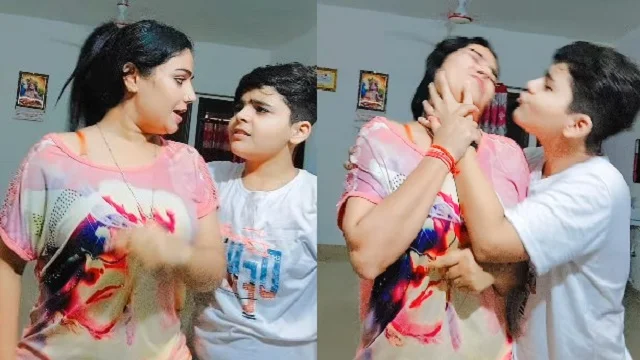
The keyword “Did Mother Viral Video Link” has recently started trending across social media platforms and Google searches. Many users are trying to find out whether such a video actually exists and what the story behind this viral phrase is.
According to digital media experts, keywords like this often become popular due to rumors, misleading posts, and incomplete information. As of now, no reliable or official source has confirmed the existence of any viral video related to this term.
Why Is “Did Mother Viral Video Link” Trending?
Words that trigger strong emotions, such as “mother,” tend to spread quickly on social media. These emotional terms attract attention, increase curiosity, and lead to more sharing. Many people click and forward such content without verifying its authenticity, which creates confusion and makes the keyword trend.
Once a few posts start repeating the same phrase, search engines notice the rising interest, and the keyword begins to rank.
Be Careful of Fake Links
Cybersecurity experts strongly advise users to stay cautious when they see links labeled as “Did Mother Viral Video” or “Watch Now.”
Important safety tips:
- Do not click on unknown or suspicious links
- Do not trust viral claims without verification
- Use only reputable news websites for information
Many of these viral links are fake, misleading, or harmful, and some are designed to steal personal data or install malware on devices.
Responsible Online Behavior Matters
Sharing unverified or false information is not only unethical but can also lead to legal trouble. At present, the “Did Mother Viral Video Link” trend does not appear to be based on any confirmed or factual content.
Users are encouraged to:
- Think before sharing
- Verify sources
- Protect their privacy and digital safety
Conclusion
The “Did Mother Viral Video Link” is a trending keyword driven mainly by curiosity, emotional appeal, and online speculation. There is no evidence of a real viral video behind it. Staying informed and cautious is the best way to avoid falling for misleading content online.