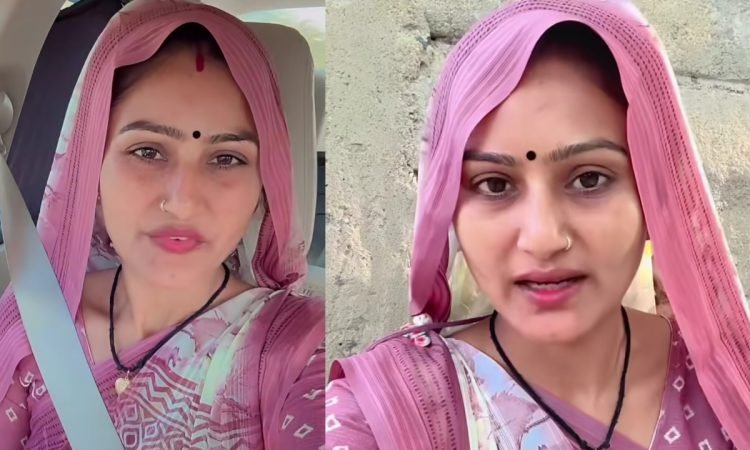
Gold Medalist Viral Video Bold Link: Philippines Viral Scandal Explained
The phrase “Gold Medalist Viral Video” has suddenly become a trending topic across Google searches and social media platforms, especially in the Philippines. Thousands of users are searching for details, trying to understand what the viral video is about and why a gold medalist’s name is being linked to an online controversy.
As curiosity continues to grow, so does misinformation. This article explains what is actually known so far, how the trend started, why people are searching for it, and why users should be cautious about viral claims circulating online.

Why Is the Gold Medalist Viral Video Trending?
The gold medalist viral video began trending after several social media posts claimed that a video involving a gold medal winner was circulating online. These posts used bold captions, emotional language, and eye-catching thumbnails to attract clicks.
In most cases, such trends grow because of:
- Unverified social media claims
- Clickbait headlines and misleading posts
- Re-uploaded or unrelated video clips
- Misuse of respected titles like gold medalist
- Curiosity driven by sports pride and national attention
Because the term gold medalist is associated with achievement and respect, any controversy linked to it spreads faster than ordinary viral content.
Is the Gold Medalist Viral Video Real or Fake?
As of now, no credible news organization or official authority has confirmed the authenticity of any alleged gold medalist viral video linked to a scandal in the Philippines.
Most of the content circulating online appears to fall into one of these categories:
- Edited or misleading clips taken out of context
- Old videos falsely linked to new names
- AI-generated or morphed content
- Completely fabricated stories created to generate traffic
Without verified proof, such claims should be treated as rumors, not facts.
Social Media Reaction and Public Opinion
Public reaction to the gold medalist viral video has been mixed. While some users are actively searching for a “bold link” or “full video,” many others are warning against spreading unverified information.
Digital safety experts have also highlighted that many so-called “watch full video” links redirect users to:
- Spam or malware websites
- Fake Telegram or WhatsApp groups
- Phishing pages designed to steal data
This makes blindly clicking on viral links extremely risky.
Ethical and Legal Concerns
Sharing or promoting alleged leaked videos raises serious ethical and legal issues. In many countries, including the Philippines, distributing defamatory or private content without consent can lead to legal consequences.
Even spreading rumors without verification can permanently damage reputations. Responsible content consumption matters just as much as responsible publishing.
The Role of Clickbait Culture
The gold medalist viral video trend is a clear example of clickbait culture. Many websites use exaggerated phrases such as:
- “Bold video link”
- “Full video leaked”
- “Watch before it’s deleted”
These phrases are designed to increase clicks and ad revenue, not to provide factual information. Search engines are increasingly penalizing such misleading content.
What Should Readers Do?
If you come across posts related to the gold medalist viral video, follow these best practices:
- Avoid sharing unverified claims
- Do not click unknown download or watch links
- Rely on trusted and established news sources
- Think ethically before reacting or commenting
Being cautious helps stop the spread of misinformation.
Final Verdict
At present, the Gold Medalist Viral Video controversy appears to be driven more by online speculation and clickbait than by confirmed facts. Until a verified statement or reliable report emerges, users are advised to approach this topic with skepticism, responsibility, and digital awareness.